


What if the city of the future wasn’t a gleaming utopia of steel and speed, but a humble haven where even the weeds in your soul could find grace?
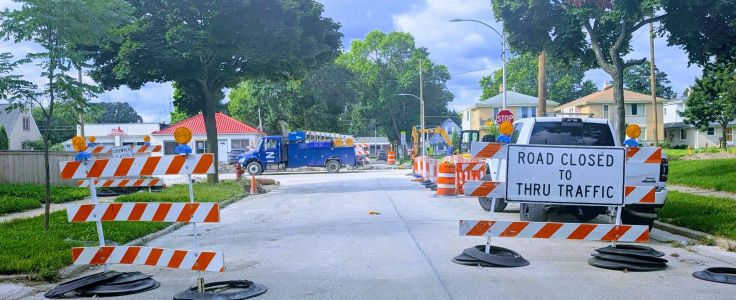
Outside my window, workers are ripping up the street. Pipes exposed. Traffic snarled. Businesses disrupted. I glance at my own yard—grass too long, mower waiting—and sigh. Even heaven on earth, it seems, would still need mowing.
The Grit Beneath the Dream
When I first thought about the “city of the future,” my mind leapt to values: family, belonging, purpose, schools that shape souls, plazas where laughter and prayer could share the same air.
But then I remembered: cities also need sewers, trash pickup, fire stations, hospitals, pothole repair. Someone has to wake at 3 a.m. to unclog the pipes. Someone else has to plow snow. Even the holiest dream runs on infrastructure.
That realization made me tired. But maybe the tiredness itself is part of the lesson.
“Every city is built on both sacredness and sewage. Ignore either one, and the whole thing collapses.”
Whispers from Blue Zones
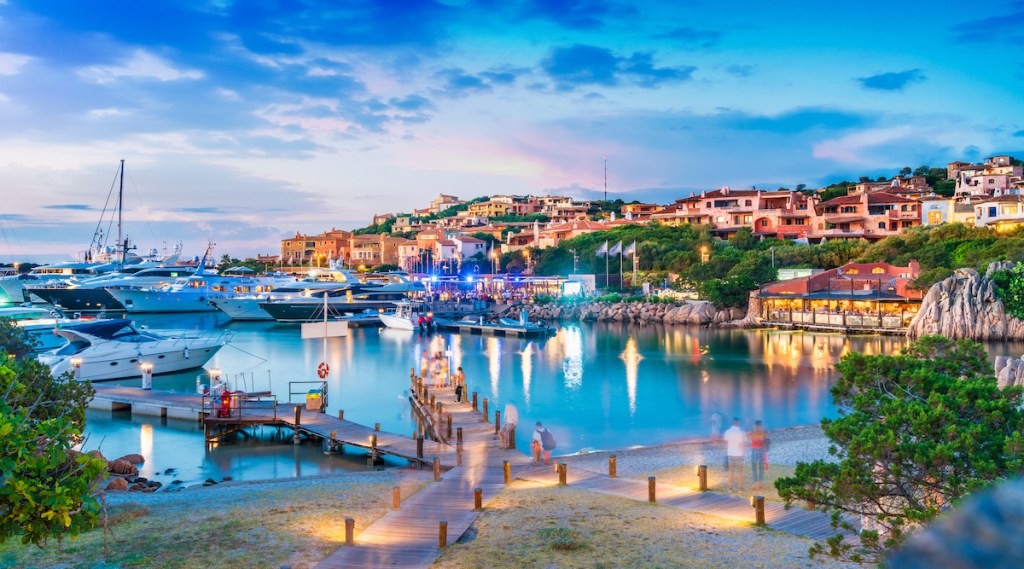
I think of those places in the world where people live the longest and healthiest lives—Okinawa, Sardinia, Nicoya. Their secret isn’t futuristic technology. It’s old wisdom: neighbors eating together, children learning from elders, gardens at the heart of community.
Their cities aren’t perfect. But they prove something: when rhythms of purpose and belonging are woven into daily life, bodies and souls endure.
What if the city of the future was less about gleaming towers and more about shared courtyards, gardens that feed, and chapels tucked into the parks?
Values Etched in Stone
For me, the cornerstone would be this: people are not defined by what they produce, but by being beloved. My stories of being misnamed and reclaimed by grace keep teaching me that.
A true city names its people rightly. It says:
- You are more than your labor.
- You belong here, not because you’re useful, but because you’re human.
- Even your weeds, even your tiredness, have a place in the garden.
“In my stories of being misnamed and reclaimed by grace, I’ve learned cities must do the same: rename isolation as belonging, hustle as holy rest.”
The Tension We All Carry
So yes, someone still has to mow the lawn. That’s the grit. But the city of the future is found in holding both together—the pipes that keep us alive, and the Spirit that keeps us human. A place where heaven brushes earth, even in the grit of daily maintenance.
Have you ever stared at your own “lawn”—literal or otherwise—and felt the weight of it all? Pause for a moment: what value would you plant first, if you were laying the foundation stones?
Because maybe the city of the future is not just about infrastructure or vision. Maybe it’s about remembering that grace grows right in the middle of disruption, weeds, and worn-out souls.
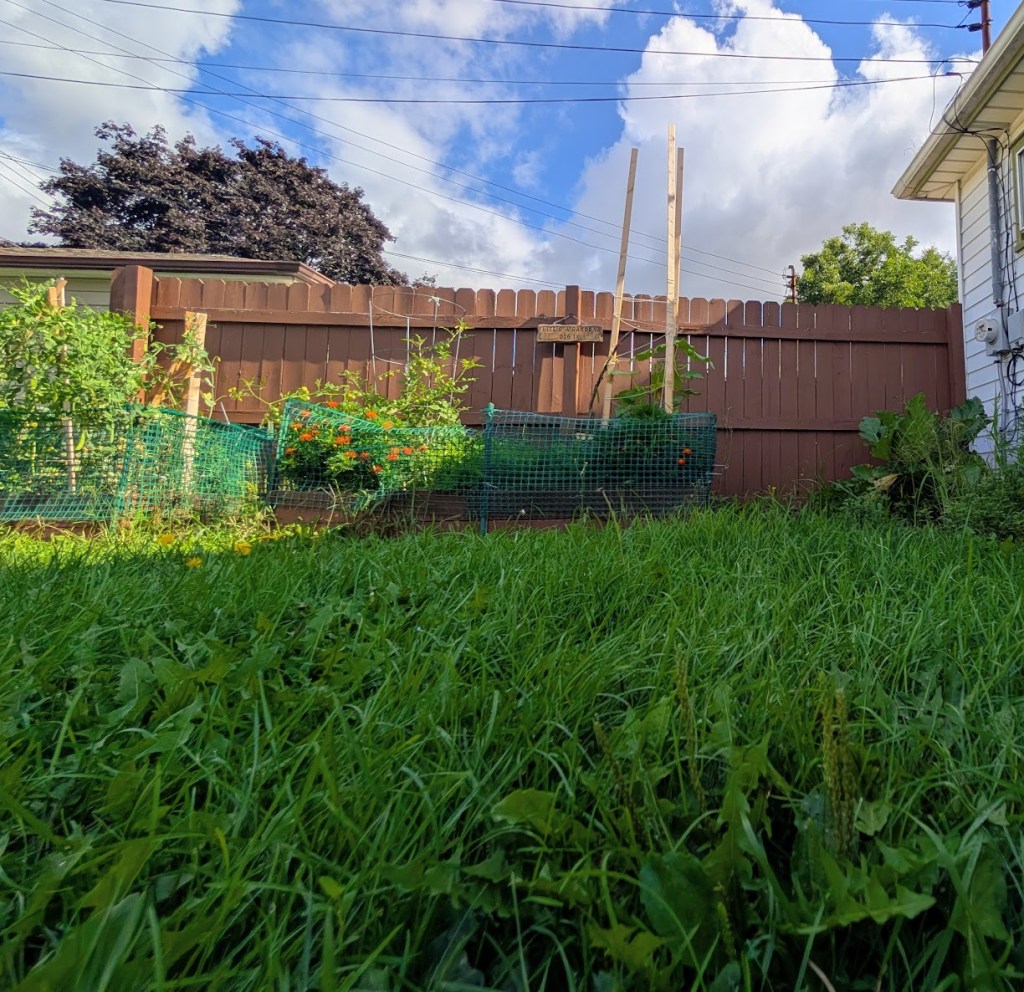
“Perhaps the city of the future is less about building perfection and more about building places where heaven and potholes can coexist without shame.”
Tags:
#CityOfTheFuture #BlueZonesWisdom #InsideOutLiving #SpiritualReflections #CommunityMatters #GraceInTheGrit #SacredAndSewage #HopefulFuture #HealthyLiving #SustainableLiving #PurposeDrivenLife #ChristianLiving #MindfulLiving #UrbanSpirituality #ValuesDriven
 Forming 2.0
I’ve seen few cities that I would call “sacred” – at least, here in the United States. They weren’t built with spirituality in mind.
LikeLiked by 2 people
Yes, Dawn, our cities were not built with spirit in mind, but the land keeps calling us back. The Adirondacks with their quiet lakes, the Appalachians rolling like an old hymn, the Rockies lifting us toward awe, the Olympic forest whispering green silences. Even in your Arizona, the Grand Canyon carves eternity into stone, and the red rocks of Sedona glow like a prayer at dusk. These places do not clamor – they steady us, and point to something much bigger than what we could create. And congratulations on Alina — she feels born of that same landscape, carved by loss and luminous with resilience, a presence both quiet and unshakable. Like the canyon walls or the desert stone, she seems to hold the ache and the beauty together. Which place in creation, I wonder, do you feel most mirrors her spirit?
LikeLike
Dean, this is such a poignant reflection. I believe we focus so much on the external we forget that it is people who make our towns and cities. Our hearts have a hand in developing the places we live in.
I also think, the state of our habitation reflects what our hearts currently are. When it’s corrupted inside, the corruption spews outwards. ‘Out of the heart comes good and evil’ paraphrasing it… is a reality we don’t want to acknowledge.
LikeLiked by 2 people
I totally agree!!
LikeLiked by 1 person