


Why Time Disappears When We Do What Truly Matters
People talk about losing themselves in an activity—like it’s some noble vanishing act, a temporary escape from the everyday. But what if we’ve got it all wrong? What if, instead of losing ourselves, we’re actually finding ourselves in the things we pour our hearts into? Maybe when time slips away, it’s not because we’re gone—it’s because we’ve finally shown up.
Simon Sinek says the only requirement for being a leader is having followers. But how do you draw people in? Not by chasing titles or trying to be important, but by doing something—over and over—until it becomes a part of you. You draw every day? You’re an artist. You meditate daily? You’re cultivating wisdom (or at least learning to sit still). You write? You’re a writer. It’s the doing, not the label, that shapes who we become.
Take me and my sketchbook. When I draw, time doesn’t just slip away—it disappears. I’m not watching the clock, waiting for a break. I’m in it: the scratch of the pen, the smudge of graphite, the way a line unexpectedly becomes something. It’s not Where did the time go?—it’s Oh, I was here for that. Meditation is the same. I sit, I breathe, I try (and fail) not to think about tacos, and suddenly, 20 minutes is both a blink and an eternity. Time doesn’t vanish because I’m lost—it vanishes because I’m fully present.
And then there’s looking at art. A while back, I had a local artist visit my classroom. One of my students—bless their TikTok-shortened attention span—asked, “How do you know if a work of art is good?” The artist thought for a moment and said, “If I’ve been looking at it for four hours and still want to keep looking, it’s probably good.”
Four hours. To a teenager, that’s practically a lifetime. They’re wired to scroll, to skim, to move on. So naturally, when we go to the museum, I give them an impossible assignment: pick a painting and look at it for an hour. At first, they fidget like they’re auditioning for a fidget-spinner commercial. But then, something shifts. They start to see. A brushstroke they missed. A shadow that moves. A feeling they weren’t expecting. And sometimes, when they walk away, they aren’t quite the same.
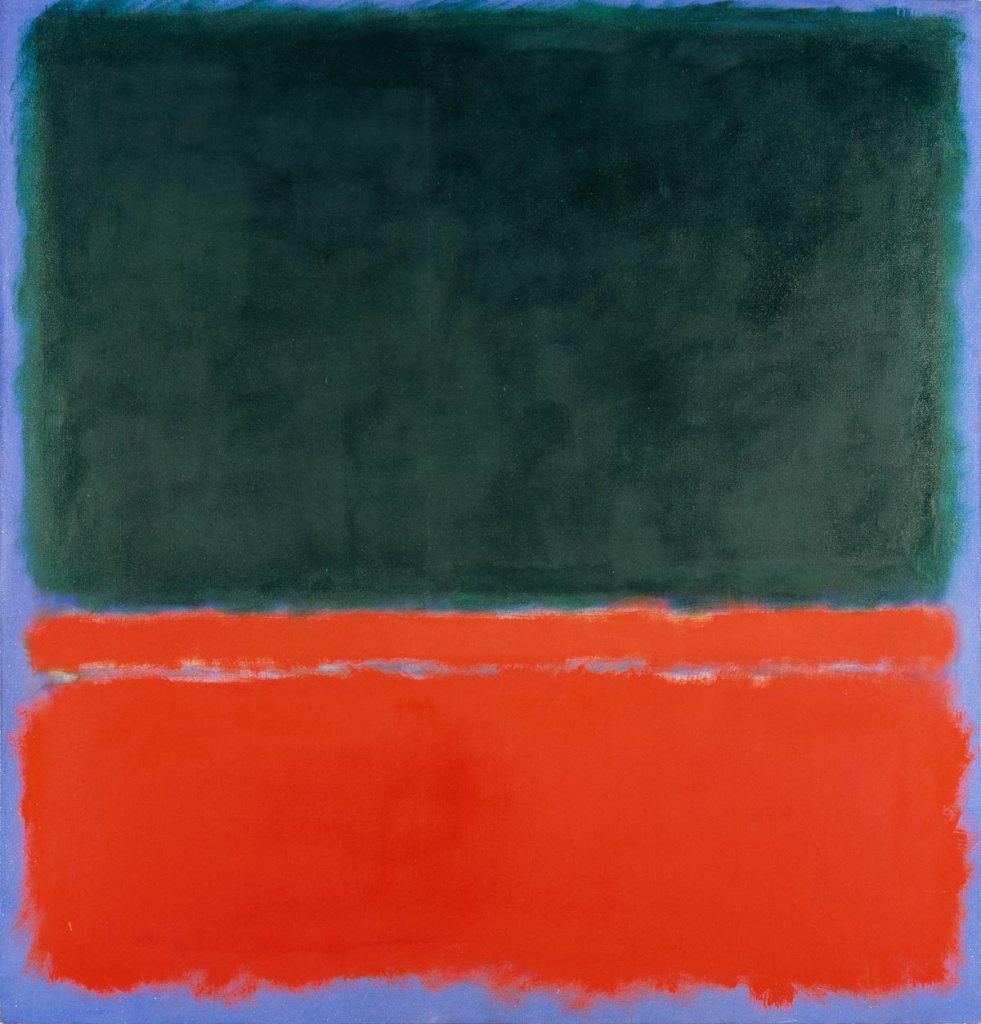
I’ve felt it too—especially with Mark Rothko’s paintings. If you’ve never sat with one, let me warn you: it’s a trap. You think you’re just looking at a giant slab of color—some moody reds, brooding blues. But then, 20 minutes in, your eyes start leaking. No warning. No explanation. You sit, you stare, and suddenly, the painting isn’t just something you’re looking at—it’s something you’re inside of. Rothko knew what he was doing. He painted experiences, not just pictures. His work doesn’t ask you to feel—it quietly insists.
And that’s what all of this comes down to. We don’t lose ourselves in art, or drawing, or meditation. We find ourselves in those moments when time stops being a tyrant and becomes a friend. We don’t vanish—we arrive. Fully, deeply, presently here.
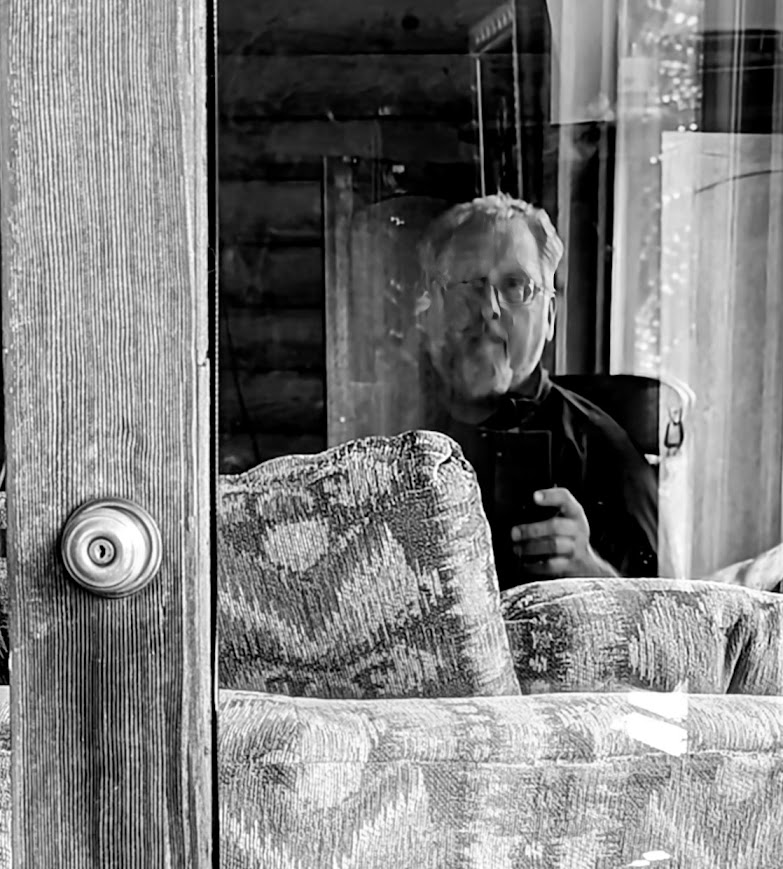
So maybe the better question isn’t What do you lose yourself in? but What do you find yourself in? Because when we’re doing what truly matters—whether it’s drawing a line, breathing in silence, or staring at a painting until it stares back—we aren’t disappearing. We’re showing up. And maybe, just maybe, that’s when we’re finally found.
 Forming 2.0
I agree…perfectly said! And yes, Rothko’s paintings are an experience, they pull you in and you become part of the painting. It’s an amazing happening!
LikeLiked by 2 people