


Reflections on mercy, soil, and the slow work of grace.
(A nod to my WordPress neighbor Ulrich, whose good question about mercy and justice stirred this reflection. Some neighbors plant flowers; others plant questions that keep blooming long after the conversation ends.)
1. The Soil
Pride is a curious word. It sounds like trumpets and résumés, but the longer I live, the more it feels like gratitude in work boots—mud on the soles, steady hands, a quiet nod at sunset.
A friend named Ulrich once asked how I hold tenderness for the person in front of me while also facing the structures that keep causing pain. His question landed like a seed.
I realized I’m not proud of my accomplishments so much as the shift in how I see growth itself.
For years I fought weeds—inner weeds of fear and hurry, outer weeds of injustice and misunderstanding. I tried poison, argument, guilt, effort. But the soil grew bitter.
Then I remembered Jesus’ words about wheat and tares: Don’t pull them up too soon, or you’ll lose the harvest.
Dallas Willard called it “the with-God life”—the Kingdom already among us.
Richard Foster whispered through Celebration of Discipline that formation isn’t about improvement but making space for grace.
Maybe the ancients were all gardeners in disguise.

2. The Grass
A groundskeeper once told me how golf courses stay green: not by yanking weeds or spraying poison, but by over-planting grass until the good crowds out the bad.
That image stuck. It’s what spiritual growth feels like now—patient, dense with mercy, quietly resilient.
When Ulrich spoke of balancing mercy and justice, I pictured that fairway.
Mercy binds the wound. Justice tends the pattern. But both grow only in soil that’s been loved.
I no longer swing at darkness. I plant light.
I sing hymns in the cell, trusting the song to shake what needs shaking.
I’d rather grow green slowly than scorch the ground quickly.

3. The Light
Graham Cooke once dreamed of three drivers:
the gray critic in a dull car, pointing out sin;
the black-suit fixer in a convertible, designing systems to patch people up;
and finally, a young man in a pink shirt, laughing in a cherry-red convertible, pointing at gray figures on the street and naming them: Healer. Encourager. Prophet.
Each name brought color. Each word created what it saw.
That story still makes me laugh—oh yeah, that one—because I’ve been all three drivers.
The critic. The fixer.
And, by grace, sometimes the joyful one who names light instead of fighting dark.
I see it in the classroom, when a student’s spark catches.
At home, when laughter overgrows irritation.
At the Hope Center, when shared soup becomes shared peace.
If I’m proud of anything, it’s this: I’ve learned to let love do the work.
To abide instead of strive.
To over-plant the good.
To whisper names into gray corners until color returns.
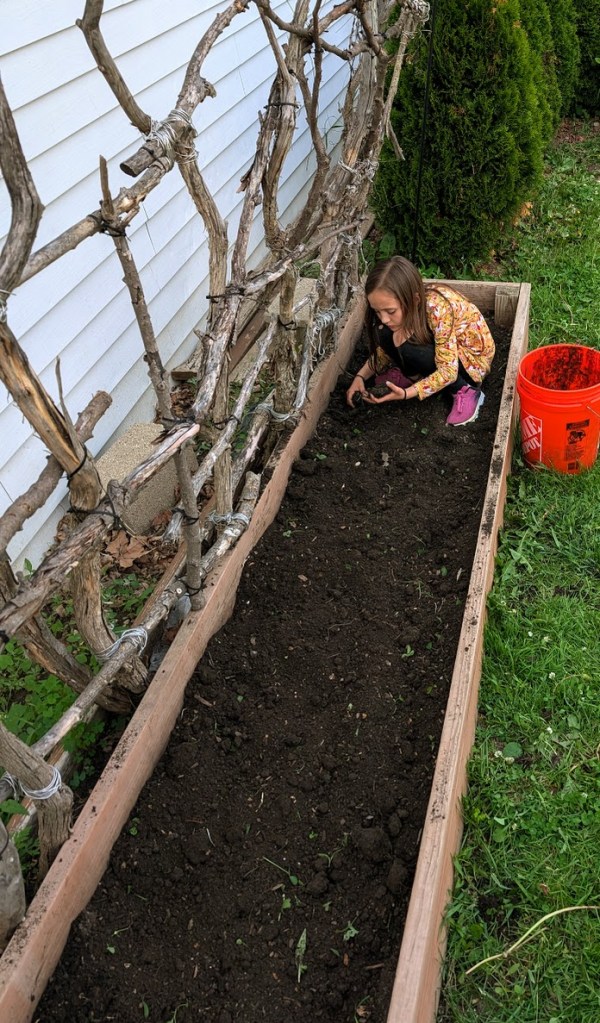
The kingdom grows quietly like this —
root first, then green.
To Bring It Home
Maybe this is what Jesus meant when He said, “Abide in Me, and you will bear much fruit.”
Fewer trophies, more trees.
Less striving, more abiding.
And gratitude—still in its work boots—waiting for tomorrow’s dawn.
Tags: #FaithAndCulture #SpiritualFormation #WheatAndTares #DallasWillard #RichardFoster #GrahamCooke #BrianDoyle #MercyAndJustice #NeighborLove #Forming20 #DailyPrompt #Abide
 Forming 2.0
Dean, this one really touched me. I’m so glad to be your neighbor.
Thank you for carrying that question forward and turning it into such a rich reflection.
I loved how you described pride not as noise or achievement, but as “gratitude in work boots.” That line feels so grounded in reality and grace.
The picture of “over-planting good grass until it crowds out the bad” beautifully captures the balance of mercy and justice we’d spoken about — patient, steady, and full of quiet hope. Reading this reminded me that true growth often happens in silence, beneath the surface, where grace is doing its slow work.
For grace to truly work in the spiritual sense, I’ve come to realize that even our selflessness can sometimes carry traces of selfishness.
We know the meaning of grace so well in words that we often start acting it out, rather than letting it transform us from within. That’s when I find myself wondering — was it God working, or was it me trying to imitate grace I’ve only read about?
Grateful for your words, and for the way your reflections keep blooming long after the conversation ends. 🌱
LikeLiked by 1 person