
When the Truth Gets Sent to the Office
Subtle Lies Shift Systems and Souls, from Naboth’s Vineyard to an IB Art Room
Daily Prompt: What do you carry that no one sees?

Charcoal dust settles like prayer in my art room. The light hits it just right some afternoons, and it looks like grace. It was 2008—my first year teaching IB Art at Rufus King High School—when I gave a junior an F. She had submitted nothing: no sketchbook, no process, no practice. The IB rubric was clear. She failed.
She was polite, privileged, and the child of educators. I expected questions, maybe a candid conversation. What I got instead were accusations: “She’s failing because of you.” I held up the rubric. They pointed back at me.
M. Scott Peck calls it “militant ignorance”—evil as the active refusal to face reality. And that’s what it felt like. Not that she didn’t work, but that the system insisted on shielding her from that fact.
A meeting was called. Around the conference table sat the student, her parents, the principal, the assistant principal, the art supervisor, and me. Someone asked what I thought we should do.
I said, “The rubric is clear. I am only following the IB curriculum.”
And here’s the deeper truth: IB and MPS do not mix well. Standards-based grading inflates. IB calls out facts. She was in a two-year college-level course. If she followed through, she could earn three college credits. But she wasn’t interested. It felt like she was saying, “Just let me make a few nice things and give me a nice MPS grade.”
I was asked to give her summer work and told we could adjust her grade in the fall since it was a two-year class. I did—on my own time. I made it clear and straightforward. I even checked in during the summer. The father was argumentative throughout. He didn’t like my tone and thought I was being too harsh on his daughter.
In the fall, the work was not done.
That’s when the real meeting happened. And that’s when someone at the table asked, again, what I thought we should do.
Out of frustration I said, “Give her an A. Buy her lunch.”
Silence.
“What?”
“Her fall will come later when she’s not coddled. That’s when the real learning will take place. An A delays that. And we all need to eat, so buy her lunch.”
The principal raised her eyebrows. Not a smile, exactly—but she wasn’t unaware. Maybe she found the candor refreshing. Maybe she saw the storm in the father’s glare. Whatever her reason, she said gently but firmly, “You can leave now, Mr. Graf.”
I walked out. My supervisor’s quiet smile followed me—a nod of solidarity, not triumph.
I don’t know what grade they gave her. Probably high enough to hush the noise. I see now what my wife, Lindsey, means when she says: “Education moves at the speed of trust.” There was no trust in that room—just fear dressed up as concern.
Naboth’s Blood
There’s an old story in 1 Kings 21. King Ahab wanted Naboth’s vineyard for a vegetable garden. He offered a better vineyard—or money, if Naboth preferred. But Naboth refused: “The Lord forbid that I should give you the inheritance of my ancestors.”
Ahab went home sulking and told Jezebel a different version: “He wouldn’t sell it.” No mention of offering land. Just money—and rejection. It sounded harsher that way. More insulting. Less holy.
And so, the truth began to shift.
Jezebel escalated: wrote letters in Ahab’s name, hired liars to shout, “Naboth cursed God and king!” Stones flew. Blood soaked the dirt.
That’s the brilliance—and terror—of the story.
It isn’t that the truth vanished. It mutated.
“God forbids it” → “He refused me” → “He cursed God.”
Each move was small, believable. Deadly.
Ahab didn’t throw a stone. He just left things out, until the truth was twisted enough to kill a man.
C.S. Lewis, in The Screwtape Letters, calls it the safest road to hell: a gentle slope, soft underfoot, no sudden turns, no signposts.
And it happens still.
“She didn’t do the work” → “She was overwhelmed” → “She deserves an A.”
Soft slope. No warnings. But systems follow it—fast.
My Lie, My Name
I’ve inflated grades to avoid conflict. I told myself it was compassion. But the truth? It was fear. It was exhaustion. It was navigating between a standards-based system and an IB system that didn’t speak the same language.
The ugly revelation came when I realized some of my students were passing MPS classes with flying colors, but failing IB. The discrepancy was real. And I felt it in my gut.
That’s the lie I carried: a softened grade, a compromise masked as grace. It wore my name.
Naming it? That’s compost. Slow breaking down. Messy. Holy.
Truth’s Fire
Jesus said, “You will know the truth, and the truth will set you free.” (John 8:32) But He also said, “The spirit is willing, but the flesh is weak.” (Matthew 26:41)
Truth isn’t a policy. It’s a fire. And it burns through our pretense.
In rougher schools, truth shouted down the halls. In polished ones, it gets sent to the principal’s office. But students still find it. Not when we protect them from failure, but when we let them face it and grow.
Truth will always stand, like Naboth’s vineyard. Even if it gets buried, it sends roots deep. And eventually, it grows back through the cracks.
What lie have you softened?
A grade?
A story?
A system scroll?
Whisper it. Compost it. Let the roots rise.
Tags: #TruthInTeaching #Forming2point0 #ChristCentered #ArtEducation #CoddlingCulture #NabothRising #CompostNotConcrete #IBArt #HolyGround #FaithAndTruth #TeacherLifeVibes #MPSRoots
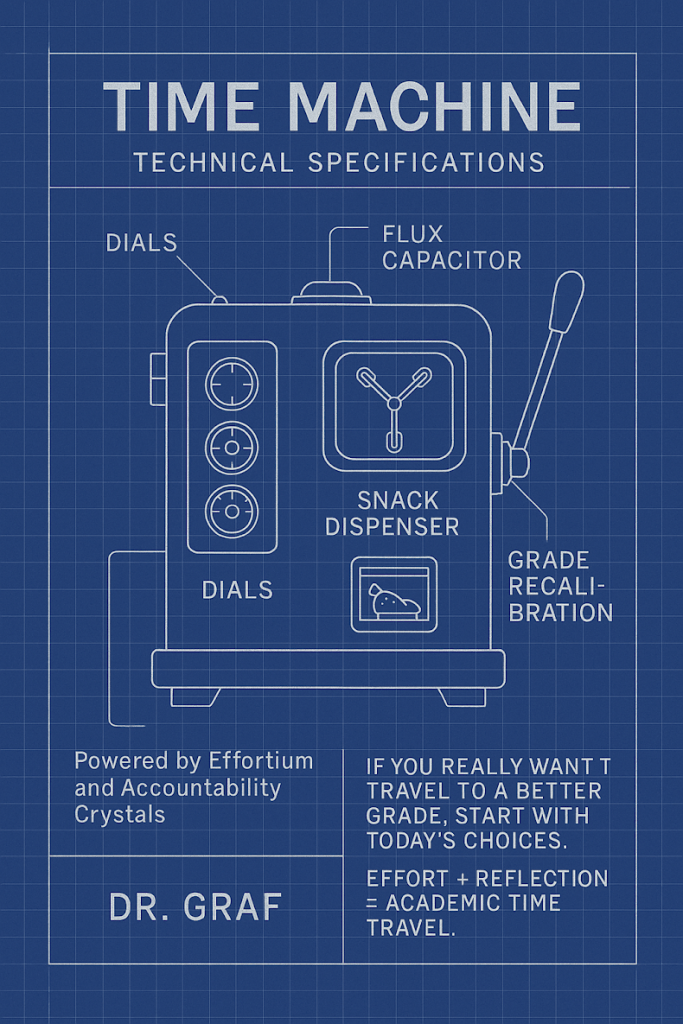
Start with effort. Add reflection. Power it with truth.
Academic time travel isn’t fantasy—it’s faithfulness over time.
 Forming 2.0
Leave a comment