
The most important invention in your lifetime is…
From Rotaries to Thought Transmissions: A Whirlwind History of Communication
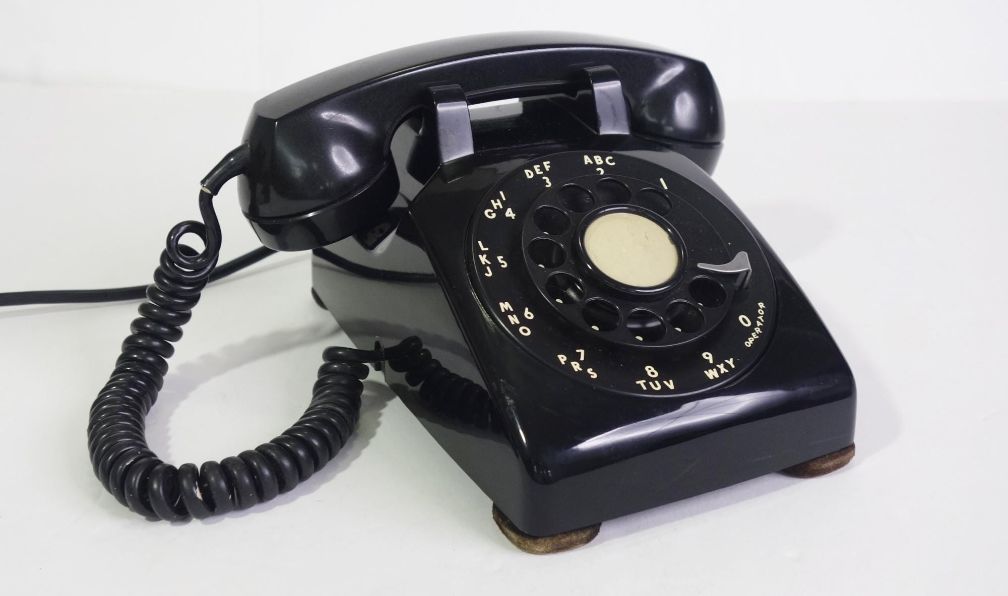
In 1962, if you wanted to talk to someone, you had two choices: call them on a rotary phone or show up at their door and hope they were home. Long-distance calls cost a fortune, so people wrote letters—on actual paper. Patience wasn’t just a virtue; it was a necessity.
Then, the 1970s arrived, and with it, the first glimmers of the digital revolution. The ARPANET, the precursor to the internet, was born in 1969, but outside of military and academic circles, no one had a clue what it was. Meanwhile, Post-it Notes (1974) made it easier to leave passive-aggressive reminders in offices and homes worldwide.
The 1980s cranked things up a notch. The personal computer entered homes, and something called “email” started creeping into businesses. Phones got cords long enough to stretch into the next room—perfect for teenagers desperate for privacy. Then came the beeper, making important people feel even more important, though all it did was beep at them until they found a payphone.
By the 1990s, things got serious. The internet was unleashed on the public, and suddenly, people were sending messages at lightning speed… or, at least, as fast as their dial-up modem allowed (cue the screeching connection sound). Cell phones grew from bricks to something slightly less brick-like. AOL Instant Messenger and texting transformed teenage social lives, while adults began the fine art of ignoring phone calls in favor of “I’ll just email them instead.”
Then came the 2000s. The smartphone was born (2007), and suddenly, we could talk, text, email, and browse the web—all while pretending to listen in meetings. Social media turned communication into a constant stream of updates, emojis, and the eternal struggle of remembering your MySpace password. Meanwhile, Wi-Fi and Bluetooth meant we were untethered from cables for the first time in history.
The 2010s and 2020s blurred the line between real and digital life. Voice assistants like Siri and Alexa started answering our questions (sometimes correctly), and video calls replaced office meetings and family reunions. AI chatbots entered the scene, making us question whether we were talking to a person or a very polite robot. And in 2022, ChatGPT arrived, ensuring that even writing itself could be outsourced to AI.
All of this would have been unimaginable to my father. He served in Korea as a phone communications expert when “wireless” meant a good throwing arm with a spool of cable. After the war, he climbed telephone poles for GTE, a company that no longer exists, stringing up the lines that once connected the world. He eventually managed a large service area, ensuring that calls went through, one physical connection at a time. Today, his collection of old phones sits on a shelf, gathering dust—silent artifacts of a world that once relied on tangible wires and physical dials. Things have changed.
So, what’s next? If the past 60 years are any indication, we’re in for a wild ride. Communication will likely move beyond screens and keyboards. Brain-computer interfaces will allow us to send messages just by thinking. Holographic calls will make Zoom look prehistoric. AI companions will become indistinguishable from human friends.
And who knows? Maybe one day, we’ll look back on texting and think, “Wow, remember when we had to type our thoughts?”

For all this talk of the future, though, I have to admit—I still find Post-it Notes quite appealing.
 Forming 2.0
Leave a comment