
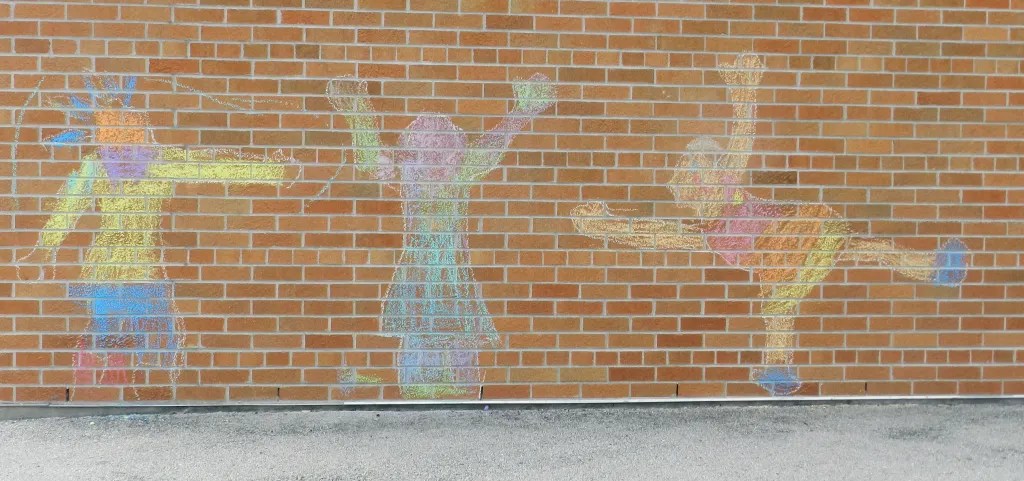
What Do I Have to Do to Get an A?
Grading art is absurd. How do you put a letter on creativity? How do you tell a student their work is a B+ when, in reality, it’s either an A for effort or a silent scream for help? And yet, grades must be given, rubrics must be followed, and conversations must be had with confused parents who wonder why their child didn’t automatically earn an A just for putting something—anything—on paper.
Here’s the thing: You are not the grade I give you. You are better than that. A grade is just a snapshot of a moment, a reflection of the choices made at a particular time. Art is not about a single product—it’s about a series of experiences with materials. If you spend the time, you get better. If you don’t, well… let’s just say no one has ever mastered the violin by practicing once a semester.
But in the academic world, art doesn’t always carry the same weight as science or math. Parents don’t always value it. They’re often shocked when their child doesn’t get an A. After all, art is subjective, right? Wrong.
Kids don’t just make art. They push materials around, creating and destroying worlds where no one gets hurt. They solve problems. They develop hand-eye coordination and motor control so that, should they go into heart surgery or engineering, they don’t kill anyone. In essence, my art room is a place where students develop the skills to avoid catastrophe. You’re welcome, future humanity.
And yet, despite this noble mission, I hear the same question again and again: “What do I have to do to get an A?” This question usually comes from a student who has spent the semester treating my class like a study hall for their other subjects. Assignments from other classes, procrastination, and general disengagement—then, suddenly, a revelation: “Wait, my grade matters?!” Yes. Yes, it does.
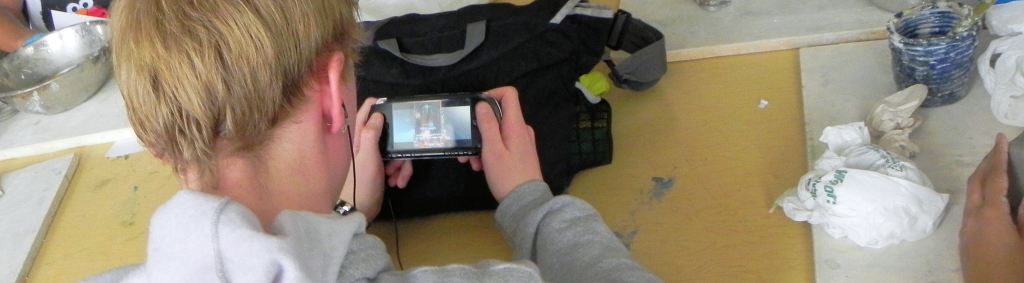
One time, a student asked me that very question, and I replied, “Build a time machine, go back in time, and do your work at a high level.” They laughed, but the point was made: art, like life, is about refinement, not instant perfection.
I try to emphasize that engaging in the artistic process makes you more human. Dogs perform tricks for treats—sit, stay, shake—good dog, here’s your bone. But art isn’t about performing tricks for a grade. It’s about creating meaning, developing a relationship with materials, and learning to express yourself in a way that matters.
Which brings me to one of my favorite grading stories. A while back, I had a student in a two-year IB Art course. Year one? She did very little. I gave her the grade she earned. She and her parents protested. Administration got involved. I suggested that, since it was a two-year course, she could actually use the summer to complete the missing work and improve her grade. Everyone agreed. I provided specific summer tasks.
Come fall? Nothing had been done.
Cue another meeting with parents, student, department chair, and administration. Once again, I was asked what I thought should be done. I sensed that I was being subtly nudged to just give her a good grade. I thought for a moment and said:
“We should buy her lunch and give her an A.”
Silence.
The principal blinked. “What do you mean, Mr. Graf?”
“I mean, she’s being sheltered and coddled, and there’s no winning here. But if we buy her lunch, that’s at least a nice thing to do. If we give her an A, she’ll be ill-equipped for the turbulent waters ahead, and that will set her up for greater failure. And perhaps, greater learning.”
The father was not pleased. The department chair laughed. The principal asked me to leave the office.
Look, I get it—grades matter. But bartering for grades? That’s a whole new level. And honestly, I think the pandemic made it worse. The line between effort and entitlement has blurred, and the art of learning (pun intended) has been replaced by the art of negotiation.
At the end of the day, grading art will always be a strange paradox. But if there’s one takeaway, it’s this: You are not your grade. You are better than that. And hopefully, when you’re building a bridge or performing surgery in the future, you’ll remember the value of patience, precision, and creative problem-solving.
Or at the very least, you won’t kill anyone.
You’re welcome.
Have you ever struggled with grades that didn’t reflect your effort? What do you think is the best way to evaluate creativity? Let’s talk in the comments.
 Forming 2.0
Leave a comment